

Franschhoek, known for its breathtaking landscapes and rich French heritage, will once again play host to the highly anticipated Franschhoek Cap Classique & Champagne Festival 2025 in November this year. This iconic festival, a celebration of bubbly, brings together top producers of Cap Classique, Champagne, and other sparkling wines from around the world. It’s a must-attend event for wine lovers, sparkling wine aficionados, and those seeking an unforgettable day in the Winelands.
As we get ready for this year’s festival, let’s explore what makes Cap Classique so special and how it compares to other famous sparkling wines like Champagne, Prosecco, and Sparkling Wine.
What is the Franschhoek Cap Classique & Champagne Festival?
The Franschhoek Cap Classique & Champagne Festival has earned its reputation as one of the premier events on South Africa’s wine calendar. Hosted annually in November, this festival celebrates Cap Classique, the South African sparkling wine produced using the traditional method, a process originally perfected in Champagne, France.
During the festival, visitors can enjoy tastings from some of the finest Cap Classique producers, as well as leading Champagne houses. The festival also offers an opportunity to pair these world-class bubblies with gourmet food from local chefs, enjoy live music, and discover the best of what the Cape Winelands has to offer. With Franschhoek’s breathtaking scenery as a backdrop, it’s an event like no other.
Cap Classique vs Champagne vs Prosecco vs Sparkling Wine: What’s the Difference?
It’s easy to confuse Cap Classique, Champagne, Prosecco, and Sparkling Wine. After all, they all fall under the umbrella of bubbly beverages. However, each type has its own unique production methods, flavour profiles, and cultural heritage. Here’s a quick breakdown of what sets them apart:
Cap Classique (South Africa’s Pride)
Cap Classique, previously known as MCC (Méthode Cap Classique), is South Africa’s own sparkling wine made using the traditional method, the same technique used in Champagne production. This method involves secondary fermentation in the bottle, which gives Cap Classique its distinctive bubbles. The wine is typically made from Chardonnay and Pinot Noir grapes, but can also feature blends of other varieties.
- Production Method: Traditional Method (secondary fermentation in the bottle)
- Region: South Africa (mainly Franschhoek, Stellenbosch, and the Western Cape)
- Taste Profile: Light, fresh, with crisp acidity and yeasty, biscuity flavours from the aging process.
- Notable Producers: Graham Beck, Nederburg, and Pongracz.
Champagne (The French Classic)
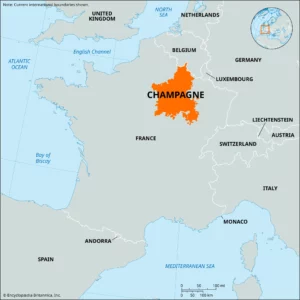
Champagne is the most famous sparkling wine in the world and comes exclusively from the Champagne region in France. To be legally called Champagne, the wine must come from this region and must be made using the traditional method. Champagne is often considered the gold standard in sparkling wines due to its long history, prestige, and unique production rules.
- Production Method: Traditional Method (secondary fermentation in the bottle)
- Region: Champagne, France
- Taste Profile: Rich and complex, with notes of citrus, brioche, and hazelnuts, and typically higher acidity.
- Notable Producers: Moët & Chandon, Veuve Clicquot, Dom Pérignon.
Prosecco (The Italian Favourite)
Prosecco, hailing from Italy, is a much lighter, fruitier alternative to Champagne and Cap Classique. Prosecco is made using the Tank Method (also known as the Charmat method), where secondary fermentation occurs in large tanks rather than individual bottles, which results in a quicker, more affordable production process. Prosecco is typically made from the Glera grape and has a fresher and fruitier profile compared to Champagne.
- Production Method: Tank Method (secondary fermentation in large tanks)
- Region: Veneto, Italy
- Taste Profile: Light, floral, with flavours of apple, peach, and honeydew melon, and a less pronounced acidity than Champagne.
- Notable Producers: La Marca, Mionetto, Valdo.
Sparkling Wine (The General Term)
Sparkling wine is a broad term that covers any wine with bubbles, whether it’s made using the traditional method, the Tank Method, or any other fermentation technique. It includes a wide range of sparkling wines produced in various regions across the world, including California, Spain, and Australia. While Champagne, Cap Classique, and Prosecco all fall under the sparkling wine category, this term is used to describe any bubbly wine that isn’t specifically Champagne, Prosecco, or Cap Classique.
- Production Method: Varies (Traditional Method, Tank Method, or other)
- Region: Worldwide
- Taste Profile: Varies greatly depending on the grape varieties and method used, but typically lighter and more approachable than Champagne.
- Notable Producers: California Sparkling Wines, Spanish Cava, and Australian Sparkling Wines.
Celebrate the Bubbly with Us at the Franschhoek Cap Classique & Champagne Festival
With so many sparkling options to explore, the Franschhoek Cap Classique & Champagne Festival is the perfect opportunity to sample the best Cap Classique producers and learn about the differences between these iconic sparkling wines. Whether you’re a connoisseur or new to the world of bubbles, this festival promises to offer something for every sparkling wine lover.
Get your tickets for the Franschhoek Cap Classique & Champagne Festival 2025 and enjoy a weekend filled with the finest bubbles, food pairings, and entertainment, all set in the beautiful Cape Winelands.
Don’t miss out – mark your calendar for November 2025!

Book Your Stay at @Franschhoek Hotel for the Champagne Festival 2025
Make the most of your time at the Cap Classique & Champagne Festival by booking a stay at @Franschhoek Hotel. Experience luxury, comfort, and scenic beauty just minutes from the festival.